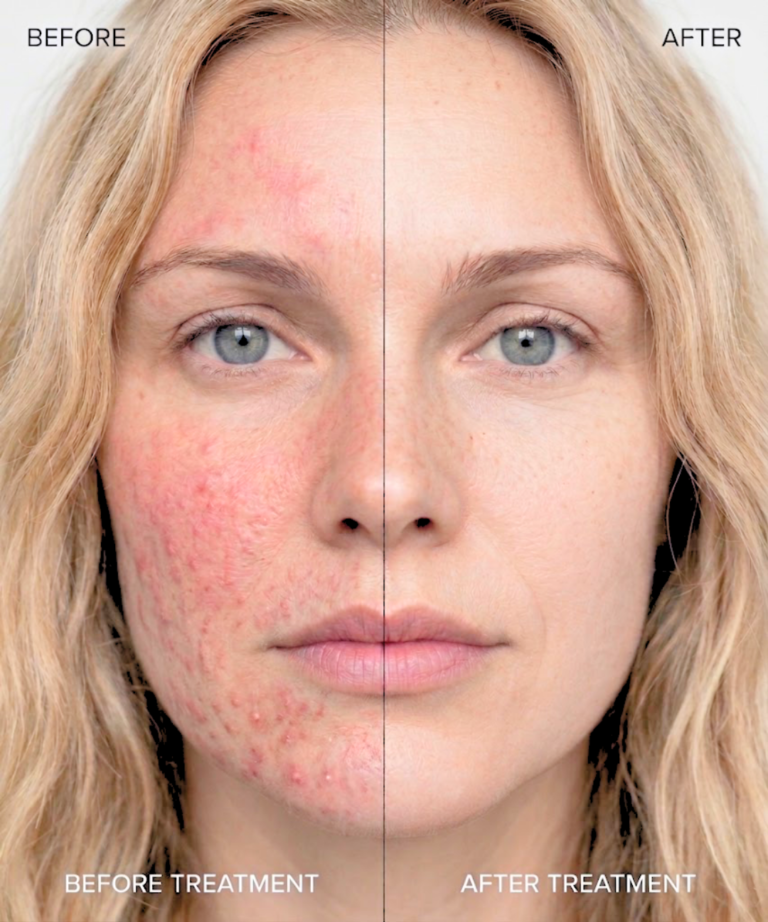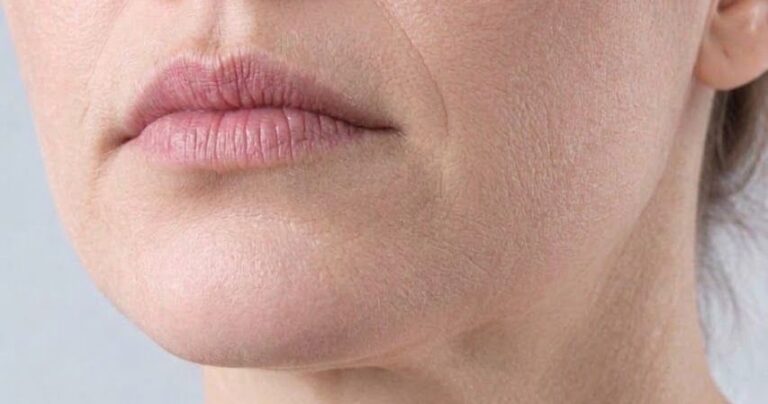

A first consultation at an aesthetic clinic is a conversation, not a treatment. You’d normally expect to go through your medical history, say what’s bothering you, have your skin or scalp looked at properly, and get a recommendation with a cost attached. Nothing is injected unless you’ve agreed to it and understood it, and you’re entitled to go home and think about it. Most consultations take under half an hour.
People are often more nervous about this appointment than about the treatment itself, usually because they’re afraid of being sold something. Here’s what to expect, and what to ask.
What actually happens in the room?
It starts with your history. Medical conditions, medications, allergies, anything you’ve had done before and when. This isn’t box-ticking. Some conditions and medicines change what’s suitable or what timing makes sense, and a clinic that doesn’t ask should worry you more than one that asks a lot.
Then we look. In daylight where possible, and with you telling us what you see rather than us telling you what you should. It’s common for someone to arrive asking for one treatment and for the thing that’s actually bothering them in photographs to be something else entirely. Worth saying out loud.
After that comes the recommendation: what would help, what it involves, how many appointments, what recovery looks like, and what it costs. Our current figures are on the prices page so there’s no mystery about it before you come in.
Will you be treated on the same day?
Sometimes, if it’s straightforward, you’re well informed and you’re certain. Often it’s better not to be. There’s no advantage to deciding in the first ten minutes, and a reasonable clinic will be comfortable with you going away to think.
If you feel pushed towards booking on the spot, or towards a package larger than what you came in about, that’s information. Take it into account.
What should you ask?
- Who will be treating me, and what are they qualified as? You’re entitled to a plain answer, and to check a nurse’s registration with the NMBI. Ours is a nurse-led clinic, and the person consulting you is the person treating you.
- What product are you using and why that one? “The best one” is not an answer.
- What are the risks, and what happens if something doesn’t settle? Ask what the plan is, and who you ring.
- How long until I look normal again? Downtime matters if you’ve a wedding or a work event coming up. Say so at this stage, not afterwards.
- What’s the total cost of what you’re recommending? Per session and for the full course, since several treatments are only sensible as a course.
- Is there a review appointment? There should be.
What should you bring or mention?
A list of your medications and supplements, including anything that affects bleeding. Your skincare routine, particularly retinoids and acids. Any history of cold sores, keloid scarring or reactions to previous treatments. Details of anything you’ve had injected before, even if it was years ago and somewhere else, because it’s relevant to what we’d plan now.
If you’re pregnant or breastfeeding, tell us at the point of booking. It changes what we’d offer, and it’s better dealt with in advance than in the chair.
What if you’re not sure what you want?
That’s the most common way people arrive, and it’s fine. “I look tired in photographs and I don’t know why” is a perfectly good starting point. So is “my hair looks thinner than it did and I’ve been putting off asking”.
Part of the job is working out which of those is a skin quality question, which is a volume question and which is something else. Someone convinced they need dermal fillers may get more from a course of skin treatments. Someone worried about shedding may be better served by a proper look at what’s driving it before we go near hair loss treatment. You can see the full range on our treatments page if you’d like to browse before booking.
Is it ever the answer that you shouldn’t have anything done?
Yes, and it should be sometimes. There are consultations that end with a recommendation to wait, to sort out a skincare routine first, to see a GP about something, or simply that what’s bothering you isn’t going to be improved by the treatment you had in mind.
Nobody enjoys hearing that after building themselves up to the appointment. It’s still better than paying for something that was never going to do the job.
Ready to have that conversation, or just want to ask a question first? Book your free consultation and we’ll arrange a time that suits.