Oily skin is one of the most common skin concerns, often associated with enlarged pores, excess shine, blackheads, blemishes and an uneven skin texture. While oil is essential for maintaining the skin’s natural protective barrier, excess sebum can contribute to congestion and breakouts.
At Vista Clinic Medical Aesthetics & Hair Restoration in Stillorgan, Dublin, we offer personalised skincare advice and professional treatments to help manage oily skin, improve skin texture and support a healthier-looking complexion.
Whether you experience persistent shine, clogged pres, acne-prone skin or uneven skin tone, our approach begins with understanding your skin’s individual needs. Through a personalised consultation, our nurse can assess your concerns and recommend suitable treatments and skincare products to help you achieve your skin goals.
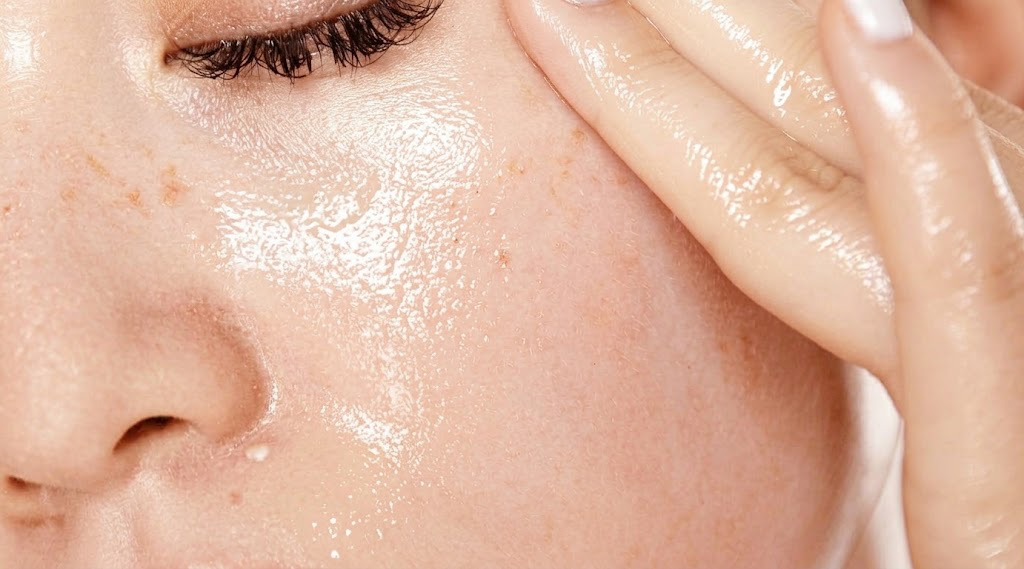
What Causes Oily Skin?
Oily skin occurs when the sebaceous glands produce excess sebum, the natural oil that helps protect and lubricate the skin. Several factors can influence oil production, including:
- Genetics: Your natural skin type can influence how much oil your skin produces.
- Hormonal changes: Hormonal fluctuations may increase sebum production and contribute to breakouts.
- Skincare products: Heavy or unsuitable products may contribute to congestion in some skin types.
- Over-cleansing: Harsh cleansers and excessive exfoliation can irritate the skin and compromise its protective barrier.
- Environmental factors: Heat and humidity can make excess shine more noticeable.
Understanding the cause of your oily skin is an important first step in choosing the right skincare routine and professional treatment.
Common Concerns Associated with Oily Skin
Excess oil can affect the appearance and comfort of your skin in several ways:
- Excess shine: Skin may appear shiny, particularly across the forehead, nose and chin.
- Enlarged pores: Pores may appear more noticeable when they contain excess oil and debris.
- Blackheads and congestion: Oil and dead skin cells can accumulate inside pores.
- Blemishes and breakouts: Excess sebum can contribute to clogged pores and acne development.
- Uneven skin texture: Congestion and previous breakouts may leave the skin feeling or looking uneven.
- Post-acne marks: Some blemishes can leave areas of discolouration that take time to fade.
Not every case of oily skin is the same. A personalised assessment helps determine which concerns should be prioritised and which treatments may be appropriate.
Best Professional Treatments for Oily Skin at Vista Clinic
The most suitable treatment depends on your skin type, the severity of your concerns and whether you experience congestion, active acne, pigmentation or textural irregularities.
1. Chemical Peels for Oily and Congested Skin
Professional chemical peels can be a useful option for selected patients experiencing oily skin, clogged pores, blackheads and uneven skin texture.
Depending on the formulation and your skin’s suitability, a chemical peel may help to:
- Improve the appearance of congested pores.
- Reduce the build-up of dead skin cells.
- Refine the appearance of skin texture.
- Improve the appearance of certain blemishes and uneven pigmentation.
- Promote a smoother, brighter-looking complexion.
The type and strength of peel must be selected according to your skin’s condition and tolerance. A consultation is essential to determine whether this treatment is suitable, particularly if you have sensitive skin, active inflammation or a history of skin reactions.
2. Personalised Skincare for Daily Oil Control
Professional treatments can be complemented by a consistent skincare routine at home. Choosing appropriate products can help manage excess shine while maintaining the skin’s natural protective barrier.
A personalised routine may include:
- Gentle cleanser: Helps remove excess oil, dirt and impurities without unnecessarily stripping the skin.
- Suitable moisturiser: Lightweight, non-comedogenic formulations can provide hydration without feeling overly heavy.
- Daily sunscreen: Broad-spectrum SPF 30 or higher helps protect against UV damage and can help prevent existing pigmentation from becoming more noticeable.
- Targeted skincare ingredients: Depending on your concerns, ingredients such as salicylic acid or niacinamide may help with oiliness, congestion or uneven skin tone.
Using too many active products or combining strong exfoliants without guidance can irritate the skin. A simpler, consistent routine is often a more appropriate starting point.
3. Microneedling for Selected Skin Texture Concerns
For patients whose oily skin is accompanied by certain textural irregularities or acne scarring, microneedling may be considered as part of a personalised treatment plan.
Microneedling works by creating controlled micro-injuries in the skin to stimulate a wound-healing response. Depending on the individual, it may help improve the appearance of selected acne scars and uneven texture.
However, microneedling is not a primary treatment for excess oil production and may not be suitable for patients with active acne, skin infections or certain inflammatory skin conditions. Our nurse can assess whether it is appropriate for your concerns.
Why a Personalised Skincare Consultation Matters
One of the most common skincare mistakes is choosing products based on general recommendations rather than understanding what your skin actually needs.
For example, oily skin can also be dehydrated or sensitive. Using harsh cleansers, excessive exfoliation or unsuitable active ingredients may worsen irritation without addressing the underlying concern.
At Vista Clinic, we take a personalised approach to skincare. During your consultation, we can discuss:
- Your current skin concerns and skincare routine.
- The areas most affected by excess oil, congestion or blemishes.
- Your history of breakouts, sensitivity and previous treatments.
- Suitable professional treatments based on your individual needs.
- Skincare products available at our clinic that may complement your routine.
Our goal is to help you choose the right approach for your skin, rather than recommending the same products or treatments to everyone.
We offer skincare products at Vista Clinic and can recommend suitable options according to your skin concerns, preferences and professional assessment.
Professional Treatments vs. At-Home Skincare
Both professional treatments and daily skincare can play a role in managing oily skin, but they serve different purposes.
| Approach | Potential benefits |
|---|---|
| Personalised home skincare | Supports daily cleansing, hydration, sun protection and oil management. |
| Professional chemical peels | May help improve selected concerns involving congestion, blemishes and uneven texture. |
| Microneedling, when appropriate | May improve the appearance of certain acne scars and textural irregularities. |
| Ongoing skincare guidance | Helps adapt your routine as your skin changes and responds to treatment. |
For many patients, a combination of appropriate home care and selected professional treatments may be more useful than relying on one treatment alone. The right plan depends on your skin’s condition and individual goals.
Frequently Asked Questions About Oily Skin
Can oily skin be treated permanently?
Oily skin is influenced by genetics, hormones and other factors, so oil production cannot always be eliminated permanently. However, an appropriate skincare routine and selected professional treatments may help manage excess shine, congestion and associated skin concerns.
Is a chemical peel good for oily skin?
A chemical peel may help with clogged pores, blemishes and uneven texture. The appropriate peel depends on your skin type, sensitivity and current condition. A professional assessment is recommended before treatment.
Should I moisturise if I have oily skin?
Yes. Oily skin can still need hydration. A suitable lightweight moisturiser may help maintain the skin’s protective barrier without adding an unnecessarily heavy feel.
What skincare products should I use for oily skin?
This depends on whether your main concern is excess shine, blackheads, acne, sensitivity or pigmentation. Our nurse can discuss suitable products available at Vista Clinic and help you establish a routine tailored to your needs.
Can I have an online consultation before visiting Vista Clinic?
Yes. We offer a free 30-minute online consultation where you can discuss your skin concerns and learn about potential treatment options. A further in-person assessment may be required before certain treatments can be recommended or performed.