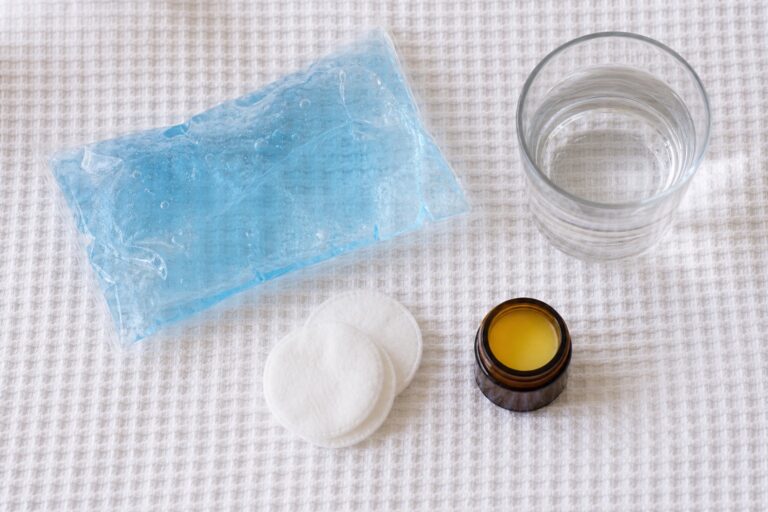
After microneedling or a skin peel, the aftercare that matters most is the boring part: leave the skin alone, keep it clean and moisturised with something bland, and stay out of the sun. Stop your active skincare for a few days too. No retinol, no acids, no scrubs, no makeup on day one. Redness and tightness are normal. Peeling and flaking after a peel are normal too, and picking at either is the one thing genuinely worth avoiding.
Your clinic should give you instructions for the treatment you actually had, since a light peel and a deeper one are not the same job. This is the general shape of it.
What does the skin usually do afterwards?
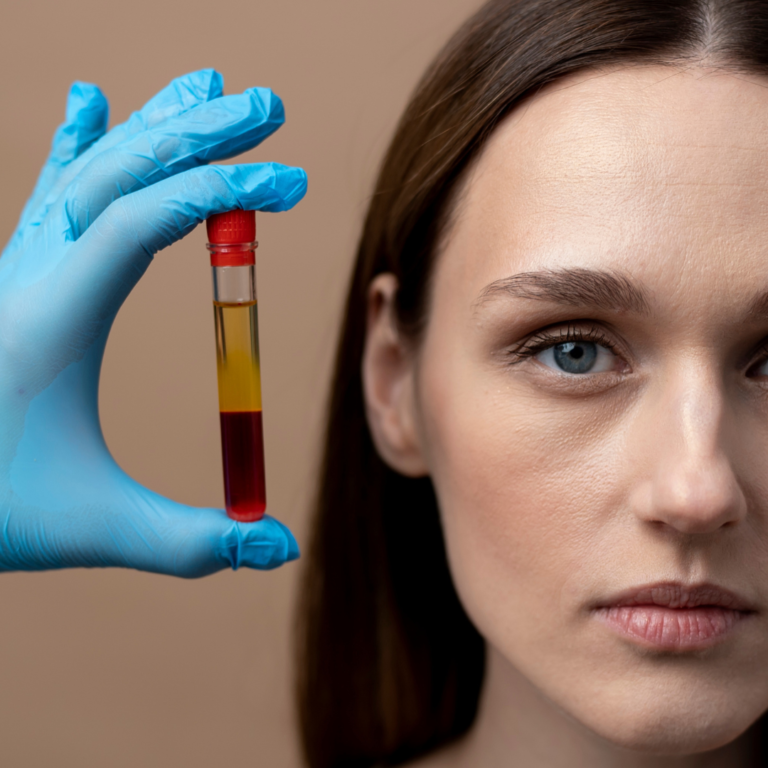
After medical microneedling, most people look flushed for the rest of the day, a bit like mild sunburn, and feel tight or slightly sensitive. That generally calms down considerably by the following morning. Most people are comfortable going to work the next day, though it can take longer depending on the depth of the treatment. If your session combined microneedling with PRP, sometimes called a vampire facial, expect much the same, with the aftercare below applying in the same way.
After a medical skin peel, the pattern depends on the depth. Lighter peels can leave the skin a little pink and dry with barely any visible shedding. Stronger ones can produce noticeable flaking from around day two or three, usually starting near the mouth and nose. It commonly runs for another three to five days before the skin looks even again. It looks worse than it feels, and it passes. If you’ve an event or a work trip coming up, tell us at the consultation and we’ll time the appointment around it rather than hope for the best.
The first 24 hours
- Nothing on the skin but what you were told to use. A plain moisturiser and, from the next morning, sunscreen. This is not the day to try a new product.
- No makeup on day one. Most people can go back to it the following day, but check what you were advised.
- Clean hands only. Touching the face repeatedly is the habit to break for a couple of days.
- Skip the gym. Sweat and heat on freshly treated skin are uncomfortable and best left until the following day.
- No heat. Saunas, steam rooms, hot showers on the face and sunbeds all wait.
The next few days
Keep the routine simple. A gentle cleanser, a moisturiser that doesn’t sting, and sunscreen every morning. Retinoids, glycolic and salicylic acids, vitamin C in high strengths, exfoliating scrubs and cleansing brushes all stay in the cupboard until your practitioner says otherwise, which is commonly around a week but varies with the treatment.
If the skin starts to flake, let it come away on its own. Pulling at loose skin risks a mark that outlasts the treatment by a long way, and it’s the single most common way people undo their own results. Moisturiser makes flaking less obvious in the meantime, so use it generously.
Why is sunscreen the non-negotiable one?
Freshly treated skin is more reactive to sun than usual, and sun exposure at that point can lead to patchy pigmentation that takes months to fade. It’s the aftercare instruction people most often shrug at and most often regret, particularly if the treatment was for pigmentation in the first place.
Irish weather is not a defence. Cloud cover doesn’t remove the need for it, and neither does staying indoors near a window all day. If you’re planning a sun holiday, tell us at the consultation, because the sensible answer is often to schedule treatment around the trip rather than a fortnight before it.
When will you see a result?
Not immediately, and not evenly. The first week can look worse before it looks better, especially after a peel. Improvements in texture and tone build over the weeks that follow. Both microneedling and peels usually run as a course rather than one appointment, so judging the outcome after a single session doesn’t tell you much.
If your treatment was aimed at breakouts or scarring, it’s worth knowing that skin can go through an unsettled patch along the way. That’s a normal part of a course of acne treatment rather than a sign it isn’t working, though tell us if it’s worrying you.
Getting more out of it afterwards
The treatment does a certain amount, and what you use at home for the following months does the rest. Once the skin has settled, a routine matched to your skin rather than to whatever is popular is what holds the result. We go through this at review appointments. We do stock medical-grade skincare, and you’re welcome to buy elsewhere; what matters is that whatever you use suits your skin and that you’re consistent with it.
What’s worth ringing about?
Redness, tightness, dryness and flaking are expected. Blistering and weeping are not. The same goes for skin that spreads heat and pain rather than settling, redness that worsens after the first couple of days, or a fever and feeling generally unwell. Those are worth a phone call rather than a wait-and-see, because an infection is far easier to deal with early.
If you can’t reach the clinic and something looks like it’s getting worse, don’t sit on it until Monday. Ring your GP or the out-of-hours service, and go to an emergency department if you’re unwell with it. We would far rather you were seen by somebody than wait politely for us to open.
The same goes for anything that simply doesn’t match what you were told to expect. It’s a short conversation, and you can always ring or message the clinic to have it.
If you have a question about how your skin is settling, or you’d like to plan a course properly, book your free consultation.