For the first 48 hours after dermal filler, whether that was lips or anywhere else, the general aftercare advice is to keep things calm: no pressing or massaging the area, no strenuous exercise, no alcohol, no facials or saunas, and try to sleep on your back if you can manage it. Swelling and small bruises are common and usually settle within a few days. Your own clinic should give you instructions specific to what you had done, and those take priority over anything you read here, including this article.
Below is what we generally advise our own patients, and why. Lips get a section of their own, because they behave differently from everywhere else.
What happens in the first few hours?
Expect some swelling. How much depends on the area, and lips swell more visibly than most other places, which catches people out if they’ve only had cheeks done before. For most people swelling peaks in the first day or two and has largely settled by the end of the first week. Bruises, if you get them, commonly take about a week to ten days to clear. There may be small red marks where the needle went in, and those usually fade quickly.
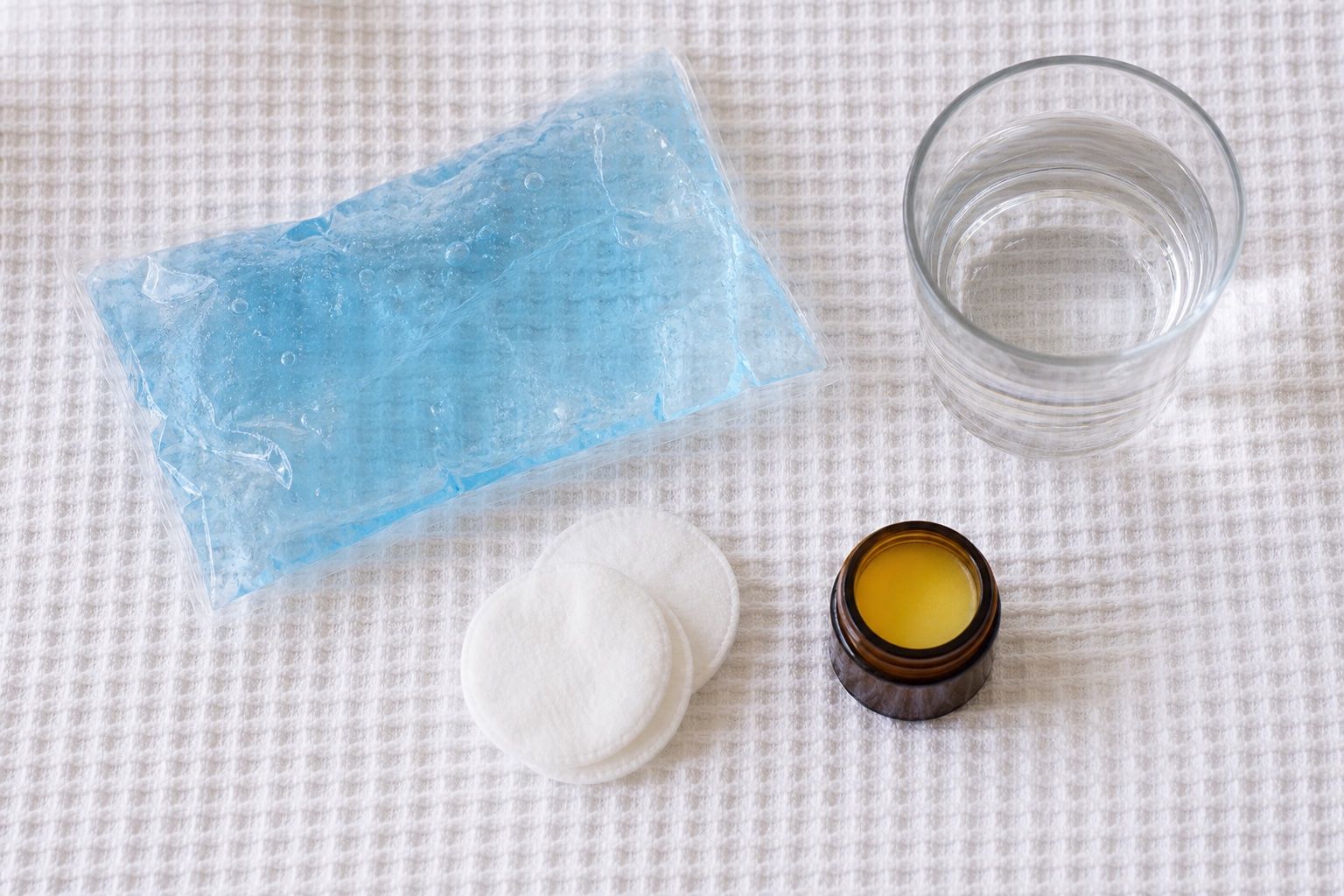
The area can feel firm or slightly lumpy to the touch early on, which is normal and not a sign that something has gone wrong. Resist the urge to keep checking it with your fingers. A cool compress held gently against the skin is fine if you’re uncomfortable, but don’t press.
What to avoid for the first two days
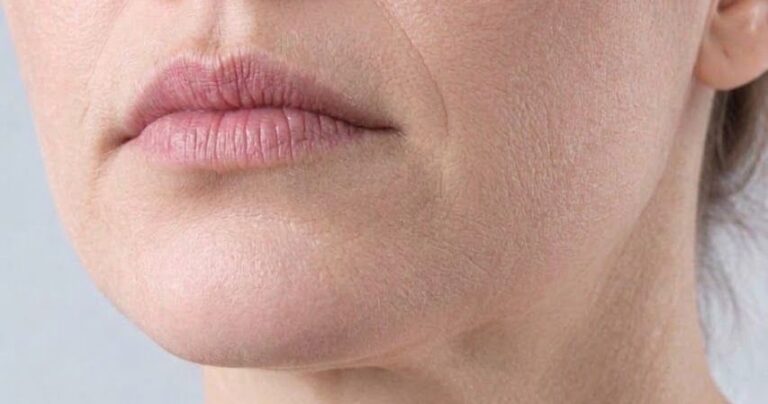
- Pressure on the area. No massaging, no rubbing, no leaning your face into your hand while you work. If you’ve had lip filler, that includes drinking through a straw and anything else that purses the lips repeatedly. The same applies after treatment for lines above the lip or marionette lines, since the whole area moves together.
- Hard exercise. Give it a day or two. Walking is fine, hot yoga and heavy lifting are not.
- Heat. Saunas, steam rooms, sunbeds and very hot baths can all make swelling worse.
- Alcohol. It tends to make bruising and swelling more noticeable. The evening of your appointment is a poor choice for a night out.
- Facials and other treatments. Nothing else on the same area for at least a couple of weeks unless your practitioner has said otherwise.
- Sleeping face-down. On your back for the first night or two if you possibly can.
Why lips are the special case
Lip tissue is loose and full of small blood vessels, so it takes up more fluid than the cheeks or the jawline and shows it more. Most people find the first morning is the worst of it: you lie flat overnight, fluid settles, and you wake up more swollen than you went to bed. That’s normal, and it’s usually the point things start improving from.
A few things help through those first two days:
- Sleep with your head raised. An extra pillow is enough. It doesn’t have to be uncomfortable.
- Keep drinks cool. Hot tea and coffee, hot soup and very spicy or salty food all tend to make swelling more obvious for a day or two.
- Let your lips be still. The pursing motions in the list above matter more for lips than anywhere else. Smoking counts, and so does rolling your lips together to spread balm.
- Expect dryness. Lips often feel tight and flaky for a few days. A plain balm is fine. Try not to pick.
One thing worth raising before your appointment rather than after: if you’re prone to cold sores, say so. Injections around the mouth can bring on an outbreak in people who already carry the virus, and your practitioner may want to plan for it in advance. It’s a routine question.
Firmness and small lumps in the lip are common in the first week or two and usually settle on their own. Anything that doesn’t match what you were told to expect is covered under when to ring the clinic, below, and that section applies to lips exactly as it does anywhere else.
What you can do
Drink water, eat normally and carry on with your day. Most people go straight back to work after cheek filler or similar treatments and nobody notices. You can usually wear makeup again after the first day, though check what you were told at your appointment, since it depends on the area.
Sun protection is worth keeping up as usual. If you bruise easily, arnica is what most people reach for, and there’s no harm in it. Just don’t expect it to work miracles on a bruise that was always going to appear.
On pain relief: most people don’t need any. If you do, ask the clinic that treated you what they’d recommend, because anti-inflammatory painkillers are often the ones people are asked to avoid in the first day or two, on the basis that they can make bruising more obvious. Follow the advice you were given rather than a general rule from an article.
How long until it looks like the final result?
Give it two weeks before you judge anything. Day one to day three is swelling, and swelling is not your result. Lips in particular can look considerably fuller in the first 24 hours than they will once things settle, which is why we ask people not to book their treatment two days before a wedding.
Small asymmetries early on usually even out as the swelling goes. If something still looks uneven at the two-week mark, that’s the point to come back and have it looked at, not the point to panic on day four. Most clinics, ourselves included, expect to see people for a review, and it’s a normal part of the process rather than a complaint.
When should you ring the clinic?
Bruising, swelling and tenderness are expected. A small number of things are not, and two of them are urgent.
Treat these as a medical emergency. Any change in your vision after filler, or skin that turns white, pale, grey, dusky or mottled, particularly alongside pain that is severe or getting worse, can be a sign of a blood vessel being blocked. This is called a vascular occlusion. It is rare, it is time-critical, and the window in which it can be treated is short.
If that happens, do not wait for a callback. Go straight to your nearest emergency department, or ring 112 or 999, and tell them clearly that you have recently had dermal filler injected and where. Ring the clinic that treated you as well, on the way rather than instead. If you cannot reach the clinic, that is not a reason to delay going in. Out of hours, an emergency department is the right place.
Ring the clinic promptly for anything else that doesn’t match what you were told to expect: an area that becomes hot, hard and increasingly red over the days after treatment, swelling that is getting worse rather than better after the first few days, a fever, or lumps that aren’t settling. Infection and delayed reactions are uncommon but they do happen, and they’re treatable.
Nobody has ever annoyed us by ringing to check something. If you’re worried and you’re not sure whether it counts, ring.
A note on where you had it done
Aftercare only works if there’s someone to go back to. Before you book anywhere, it’s worth knowing who is injecting you, what they’re qualified as, and who you ring at nine o’clock on a Sunday if something doesn’t look right.
If you’d like to know more about what’s involved before booking, our dermal fillers page goes through the treatments area by area.
Have a question about how yours is settling, or thinking about a first treatment? Book your free consultation and talk to a nurse.