PRP uses your own blood to prompt your skin to repair itself. It works best on skin quality: texture, fine lines, early crepiness, and the flatness that makes skin look tired in photographs. Most people see a change from the first day. How much, and how quickly, depends on your skin type, your age and what we’re treating — which is exactly what a consultation is for. Most people have three sessions four to six weeks apart, and the result keeps building on top of that early change across the course.
If your skin feels rougher than it used to, or looks dull in daylight even when you’ve slept, PRP is worth understanding properly. Here’s what it does, what the appointment is like, and how to tell whether it suits you.
The quick version
| Best for | Texture, fine lines, crepiness, dull or tired-looking skin, shallow acne scarring |
| Sessions | Usually three, four to six weeks apart |
| Appointment | About 1 hour |
| Downtime | Redness for 24–48 hours |
| Results | Most people see a change from the first day; how much depends on skin type, and the result keeps building across the course |
| Maintenance | Once or twice a year |
| Price | On our price list |
What PRP actually does
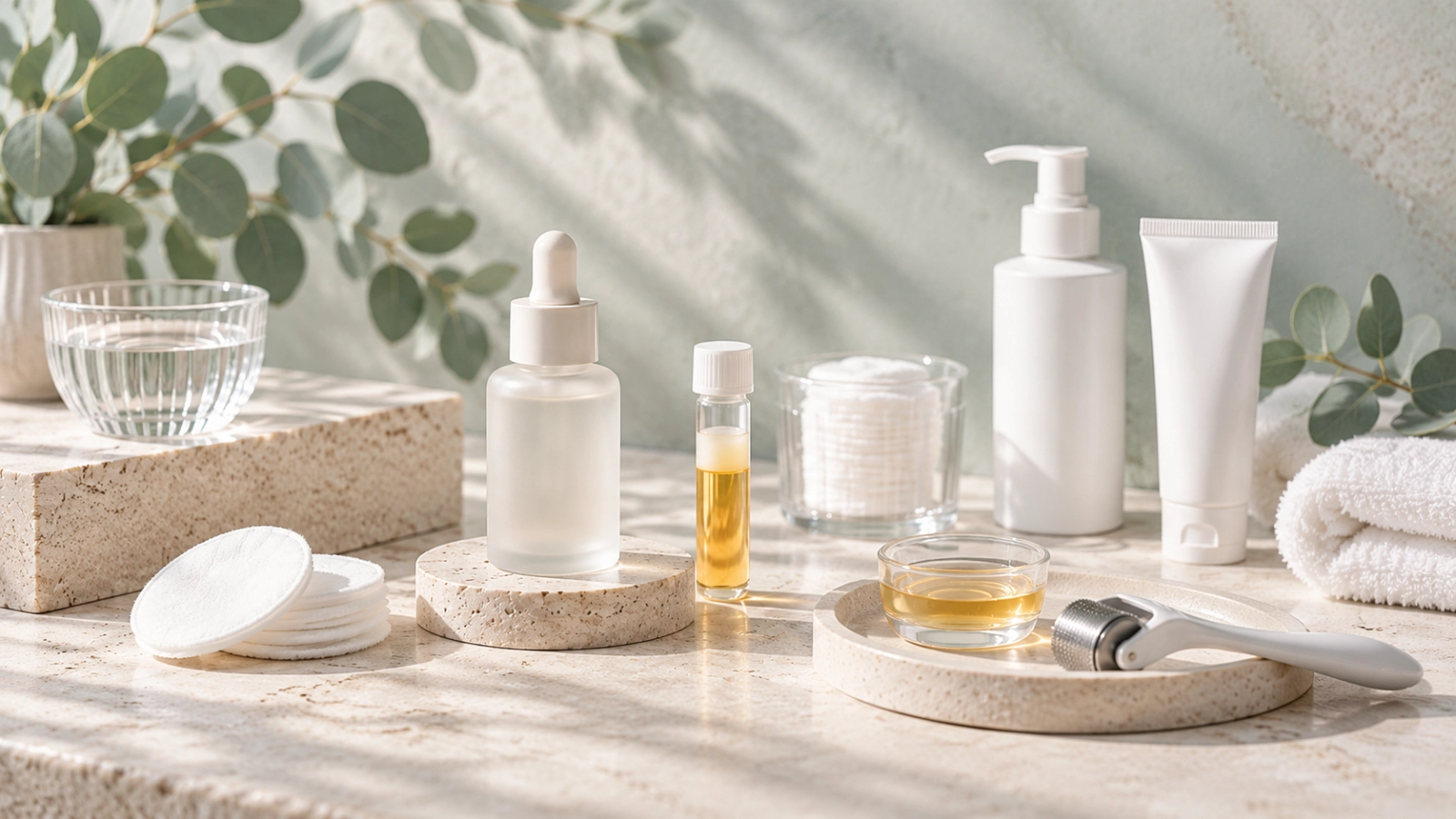
We take a small sample of your blood and spin it to separate the platelet-rich layer, then inject that back into your skin. Where texture or scarring is part of what we’re treating, we pass microneedling over the area afterwards, in the same appointment, which works the PRP through the upper layers as well.
Platelets carry growth factors. Released into the skin, they signal that there’s repair to be done, and your skin responds by producing collagen and rebuilding tissue. Nothing is being added to your face. Your own repair process is being switched on, which is why the result develops gradually and why it looks like your skin rather than like treatment.
In practice, what people come back and tell us is that their skin feels smoother, that make-up sits better, that the fine lines around the eyes have softened, and that their face catches the light again. Shallow acne scarring improves too, particularly when we inject PRP and then microneedle over it in the same appointment.
What the research supports
PRP has been studied most consistently alongside microneedling, and that’s where the findings are strongest: trials of the combination report improvement in skin texture and in acne scarring. It’s one reason we use them together as often as we do.
One thing to know, because it’s a difference between clinics and not between treatments: “PRP” isn’t a single protocol. How the blood is spun, how concentrated the platelets end up and how the product is applied all vary between one clinic and the next. Asking how a clinic prepares it tells you more than asking the price. Ask us and we’ll tell you.
What you’ll notice, and when
The first day. Most people see a change from the very first session: skin that feels smoother and looks more hydrated once the redness settles. How much you see, and how soon, depends on your skin type, your age and what we’re treating — our nurses will tell you at the consultation what’s realistic for your skin. That early change is real, and the deeper collagen work keeps building on top of it.
The first week. Redness on the day and into the next. By day three most people are back to normal, with skin that feels slightly tight.
Weeks two to four. Texture starts to change. You notice it before anyone else does, usually when you put make-up on.
Weeks four to eight. The visible part. Tone evens out, fine lines soften, skin looks brighter in natural light.
After the course. The result typically holds six to twelve months, and most people return once or twice a year to maintain it.
Is PRP the right treatment for you?
On our skin conditions page this sits under fine lines, wrinkles, sagging skin and dark circles. If you’re not sure which group yours falls into, that page lists each concern with the treatments that tend to suit it.
It suits you if your concern is skin quality: texture, fine lines, crepiness, dullness or shallow scarring. It’s also a good fit if you’d rather not have a product added to your face, since everything we use comes from you.
If what’s bothering you is a hollow under the cheekbone or a deep line that’s there when your face is completely still, a filler will serve you better, and we’d say so at the consultation rather than after three sessions.
We don’t treat during pregnancy or breastfeeding, and certain blood conditions or medications need a conversation first. Mention anything you take, including supplements.
Your appointment, start to finish
About one hour.
We look at your skin and agree the plan. We take the blood sample, the same as a routine test, and spin it while numbing cream goes on. The treatment itself is the short part. Afterwards we talk you through aftercare, which is mostly leaving your skin alone, lukewarm water, and sunscreen from the next morning — freshly treated skin is more reactive to sun than usual.
ou’ll leave red. It settles over the following day. We’d suggest not booking anything social for the evening of your first session until you know how your skin reacts.
Who’ll be treating you
Your treatment is carried out by one of our registered nurses at the clinic in Priory Office Park, Stillorgan. Both have been doing this for more than fifteen years, and with PRP that matters more than the equipment does. How much of the platelet layer goes in, at what depth, and whether we follow the injections with microneedling are judgement calls made on your skin on the day.
We’re happy to tell you who you’ll be seeing and what they’re registered as. Just ask when you book.
Find out whether it suits you
The consultation is free and online, so you can ask everything above without travelling to Stillorgan or committing to anything.
If PRP is right for your skin, we’ll tell you what a realistic course looks like and what it costs in total. If something else would serve you better, we’ll tell you that instead.
Book your free online consultation →
Common questions
Does it hurt? The blood draw is a normal blood test. The treatment is done under numbing cream and most people describe it as uncomfortable rather than painful. It takes about twenty minutes.
How long do the results last? Six to twelve months after a full course for most people, then maintenance once or twice a year. It isn’t permanent, because it works by using your own repair process rather than adding something that stays.
When can I wear make-up again? The next day. If PRP was combined with microneedling, leave a full twenty-four hours and use clean brushes.
How far ahead of an event should I book? Four to six weeks, so the result has arrived and any redness is long gone. Three days before is too close, and we’d rather move your appointment than have you unhappy at a wedding.
Can I combine it with anything else? Often, yes. Microneedling is the most common pairing. What makes sense depends on your skin and we’ll go through it at the consultation.